Google Business Profile Manager
Audit and optimise your Google Business Profile
Learn moreA new dental patient reads more reviews before booking than a homeowner reads before choosing a mortgage. Private dentistry compounds the stakes: a £4,000 implant case rests on whether a five-star profile with recent photos beats the three-star profile next door. Winning local SEO is the single biggest lever on the private book.
The problem
NHS lists are long and capped. The new patients you actually want (private, cosmetic, implants, ortho) are the ones researching hardest before booking. Every step that disappoints them loses a high-margin case. A stale hero photo, a 2-star review with no response, an ambiguous primary category. Any one of those moves them to the practice two streets over.
Private patients often compare several practices before booking a consultation. Your profile either stands out or loses.
Category choice matters: 'Dentist' is generic, 'Cosmetic dentist' and 'Dental implants provider' each open their own searches, and 'Orthodontist' is only for practices with a GDC-registered specialist.
Reviews often mention specific procedures and clinicians, and prospective private patients read them closely.
Multi-dentist practices often have duplicate ghost listings from past associates or branch moves, confusing Google and patients.
How SearchOps fits
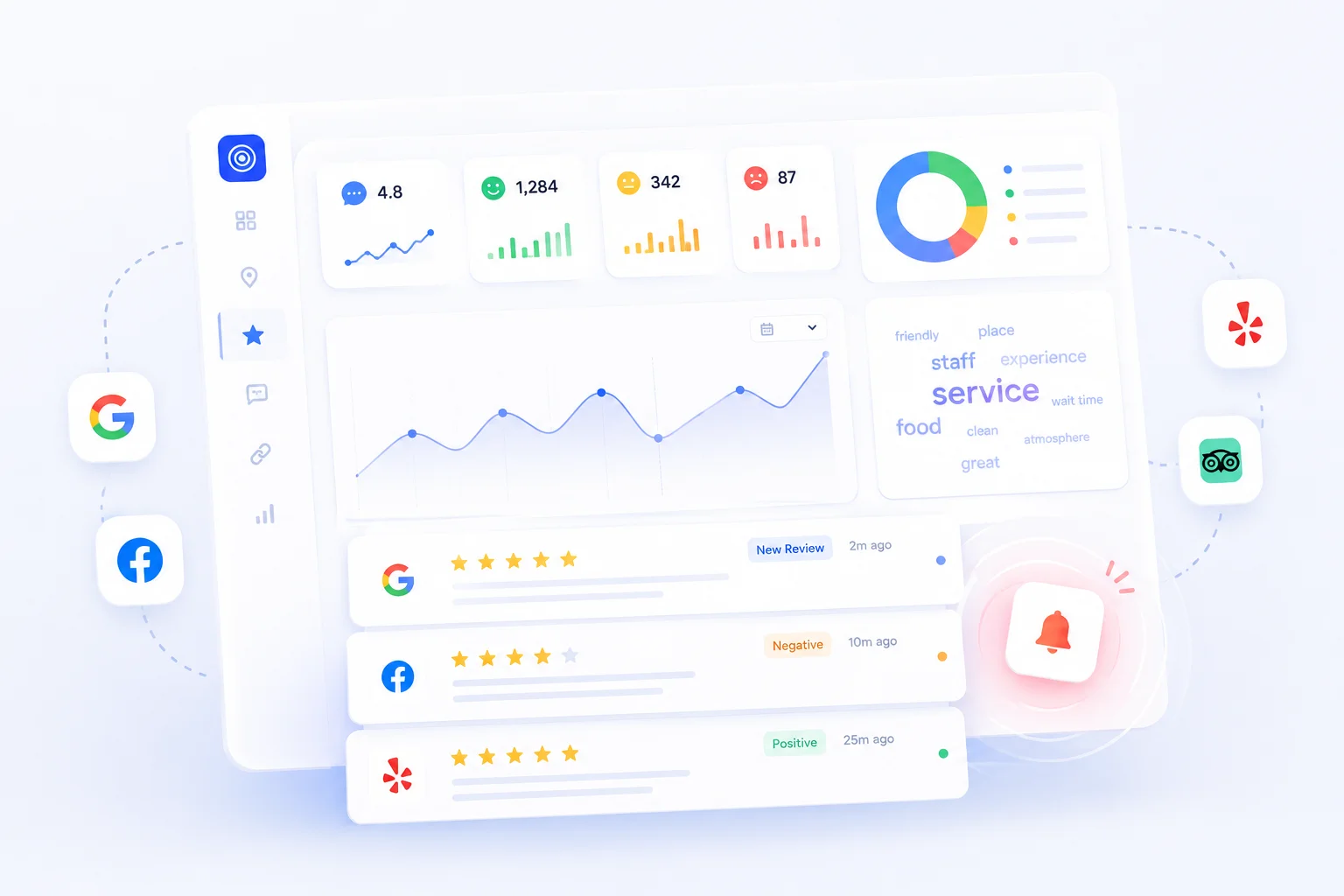
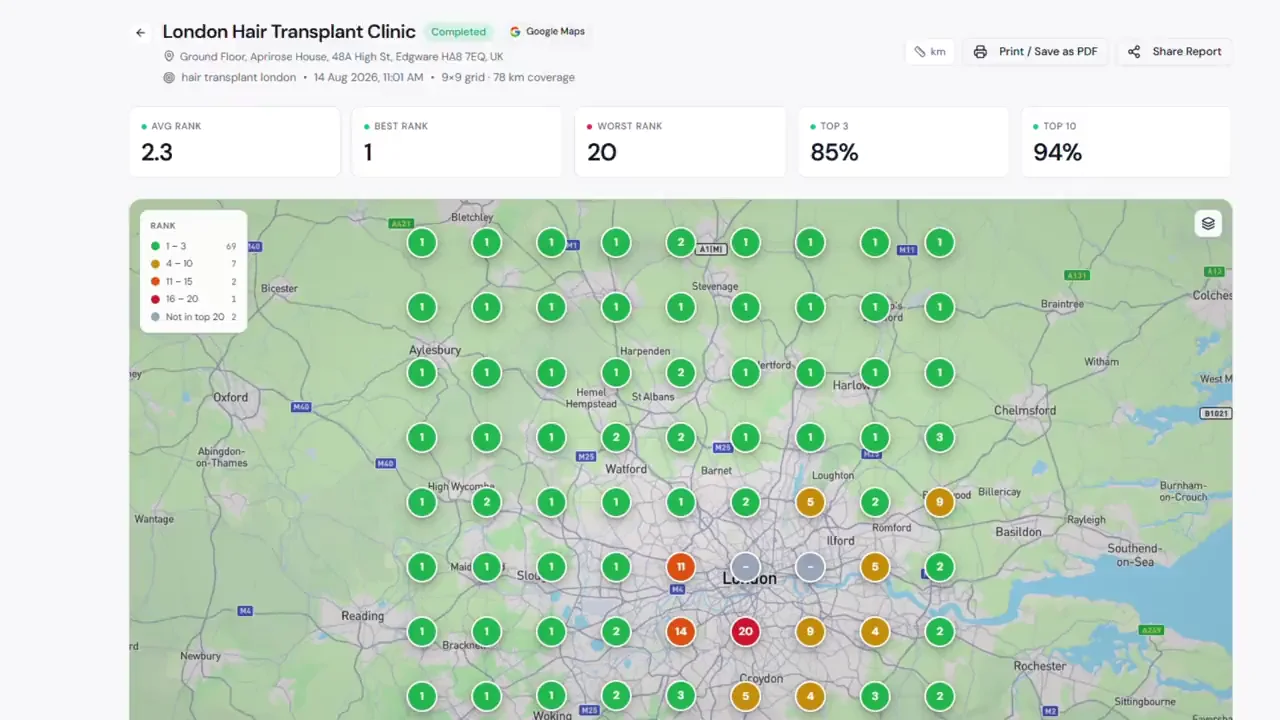
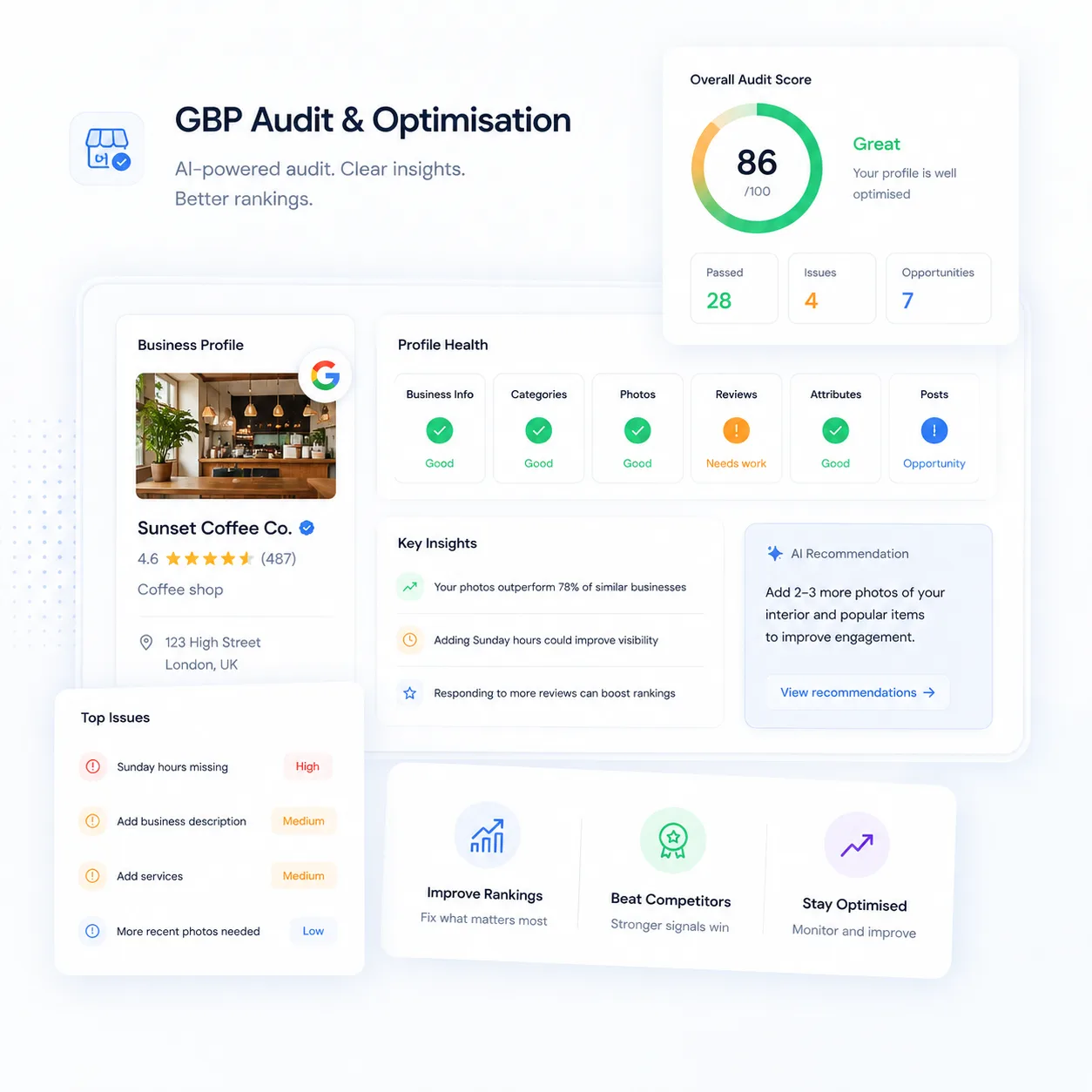
GBP audits surface the missing photos, stale hours, and unclaimed secondary categories that suppress private conversion. Review monitoring brings every new review into one inbox so your practice manager can respond while the patient's still feeling good about the fitting. Geo-grid tracking splits 'dentist near me' from 'Invisalign near me' so you know which treatment you actually rank for, and where.
Playbook
The private book is built on trust, credibility, and showing up for treatment-specific searches. These tactics move private conversions and protect the NHS baseline at the same time.
Primary 'Dentist' covers the basics; secondary categories such as 'Cosmetic dentist' or 'Dental implants provider' can open up parallel searches where they genuinely describe the practice. Only use 'Orthodontist' or another specialist category if a dentist at the practice is on the GDC specialist list, because the GDC bars titles that imply specialist status otherwise. A practice that offers Invisalign without a specialist should list Invisalign as a service and mention it in the description instead.
Private patients can tell stock images instantly and private conversion rate falls the moment they see one. Commission a photographer for half a day, shoot authentic rooms, named clinicians, and reception. Refresh every 12 months. This is the single highest-leverage one-off spend in a dental practice's local SEO.
A happy patient after their crown, Invisalign finish, or implant restoration is at peak advocacy. A card handed over at that appointment usually gets more responses than a generic email later. Train your TCOs and nurses to offer it to every patient finishing treatment with a simple 'if you have a moment, a Google review would really help other patients find us'. Google's policy bars asking staff to request reviews that mention a treatment, a clinician or other specific content.
Thank the reviewer, keep it general ('glad we could help with your treatment'), never confirm details. Google sets no 24-hour deadline, but a prompt reply shows patients reading your reviews that the practice is attentive.
'Invisalign near me', 'dental implants {city}', 'emergency dentist near me' each rank in different packs with different intent. Tracking them separately reveals which treatments you actually rank for and where private marketing spend would land. Often one specialism is already winning and the others need the same treatment.
FAQ
The same platform, set up for a different kind of business.